
A follow-up to “Architecting Transformation: A Real-World IT Blueprint for Business Agility” by Jeffery Davidson
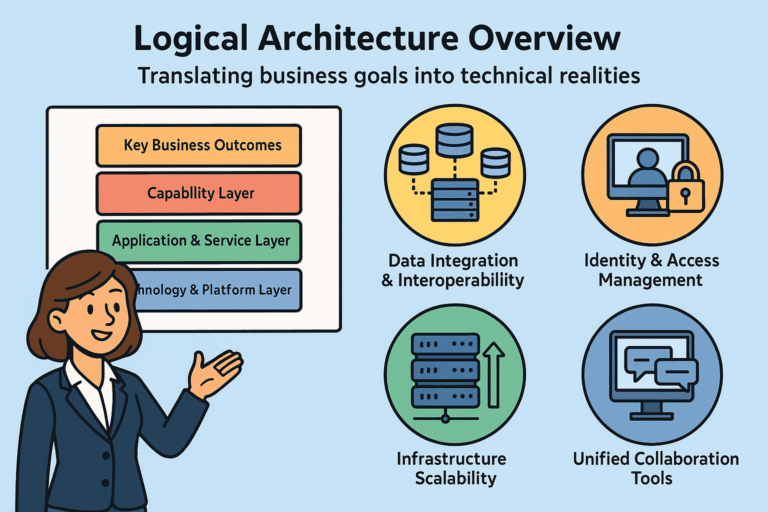
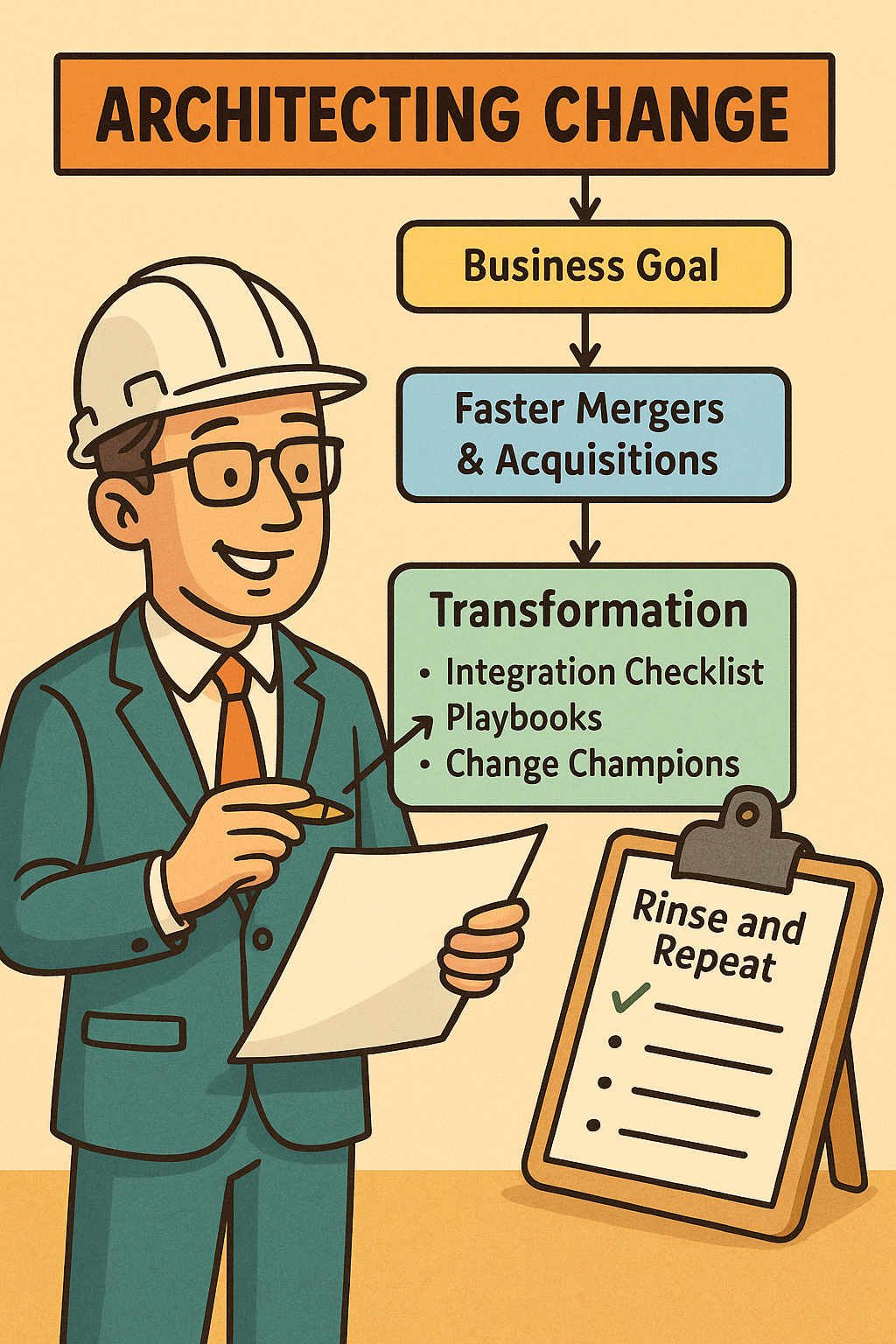
In Jeff’s last post, we looked at how a clear conceptual architecture connects business goals to the technology and capabilities that enable them. The example of ABC Health Now showed how faster mergers and acquisitions can be achieved by aligning business needs with the right IT foundation.
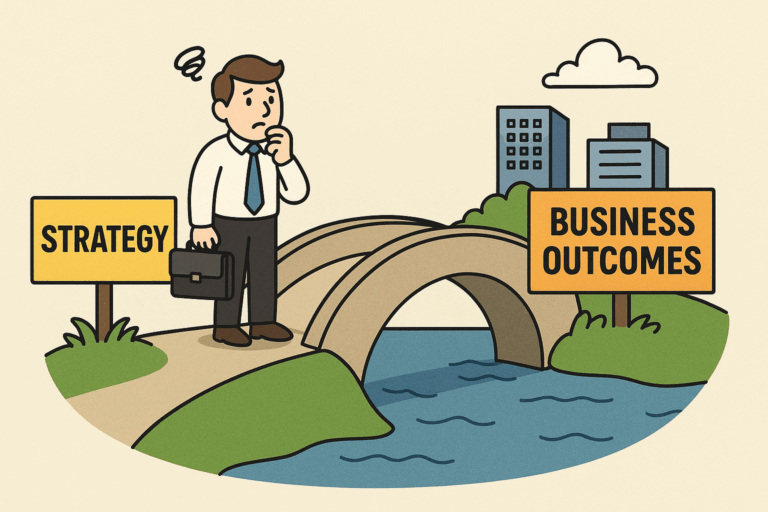
That architectural blueprint is essential. But blueprints only work when people know how to build from them. The real challenge is translating that design into repeatable action. That’s where transformation comes in.
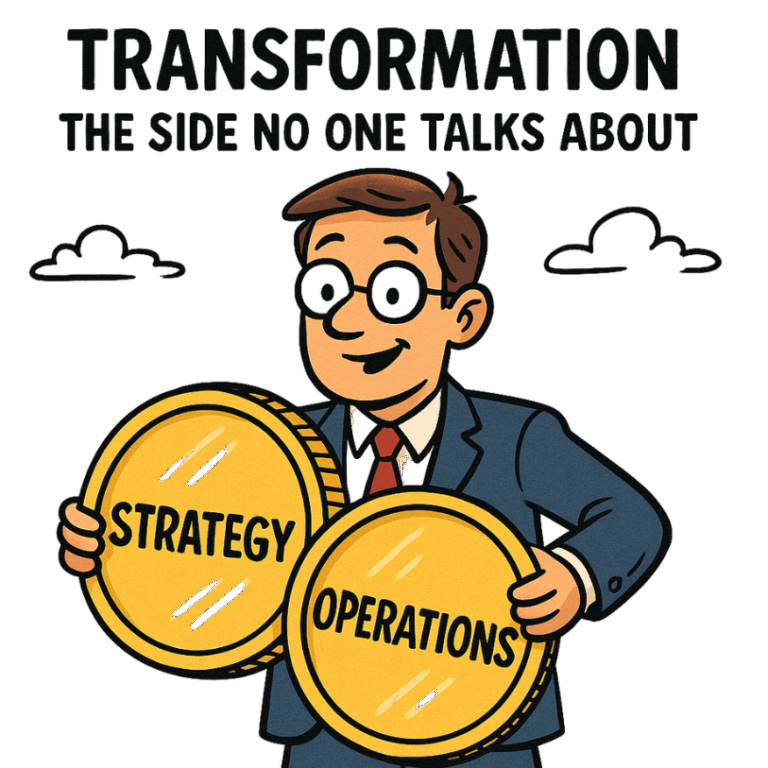
Architecture defines what the business needs to succeed.
Transformation defines how it becomes a habit.
The Next Chapter for ABC Health Now
ABC Health Now now has a clear plan for faster mergers and acquisitions. The capabilities and technologies are mapped. But moving from a diagram to an integrated, high-performing organization takes discipline, communication, and structure.
Most companies fail here, not because the technology is wrong, but because they lack a way to operationalize it. They need transformation to give the architecture life.
Here’s how that could look for ABC Health Now — and for any organization trying to do the same.
1. Build an M&A Integration Checklist
Every merger is different, but 80 percent of the work is the same. Create a living checklist that covers the repeatable steps needed to bring a new entity online:
- Validate data sources and interoperability needs
- Define identity and access policies for new users
- Confirm infrastructure scalability requirements
- Align collaboration and communication platforms
- Map regulatory and compliance needs early
The goal isn’t to over-engineer the process but to standardize the essentials so teams don’t start from zero each time.
A good checklist becomes a shared language between IT, operations, and business stakeholders — one that saves time and reduces mistakes.
2. Create “Rinse and Repeat” Playbooks
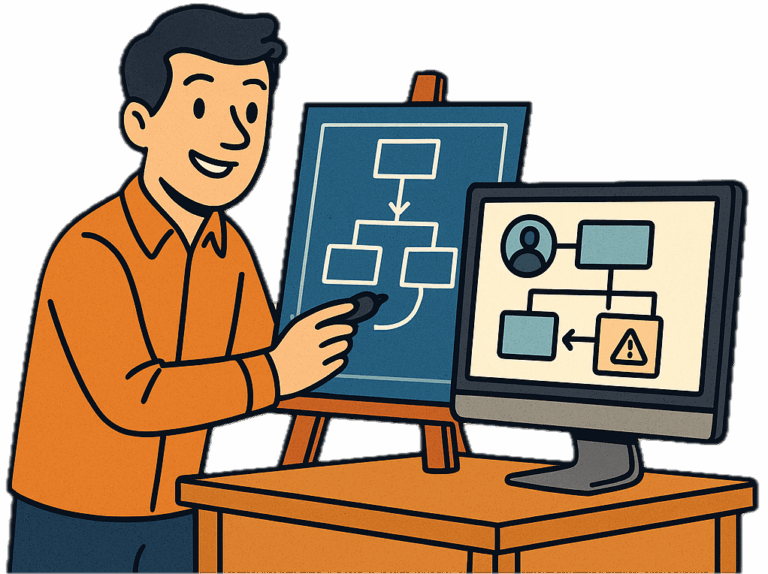
A checklist tells you what to do; a playbook shows you how to do it.
Playbooks should walk through the specific steps for integrating systems, migrating user identities, or onboarding new staff. They can include:
- Communication templates for merger announcements
- Onboarding guides for collaboration tools
- Data migration workflows
- Security and IAM provisioning procedures
- Post-merger success metrics and tracking
When these playbooks are shared and refined after each merger, they evolve into a mature transformation engine. Over time, you can automate portions and continuously shorten integration cycles.
3. Design for People, Not Just Systems
In ABC Health Now’s case, technology alone won’t make mergers faster. People do.
That means investing in change champions who can help others adopt new systems with confidence. Train them to gather feedback, identify friction, and help teams adapt without losing productivity.
Transformation isn’t about pushing people to change. It’s about helping them succeed in a new environment. The sooner employees see how these tools make their work easier, the faster the change becomes self-sustaining.
4. Embed Transformation into Operations
Once the first few integrations succeed, don’t disband the team. Turn that project muscle into a permanent capability.
- Form an internal M&A Integration Office or Center of Excellence
- Keep refining your checklists and playbooks after every merger
- Track outcomes: integration timelines, adoption rates, system stability
- Recognize and reward cross-functional collaboration
When transformation becomes part of day-to-day operations, agility stops being an initiative and becomes part of the culture.
5. Keep Architecture and Transformation in Sync
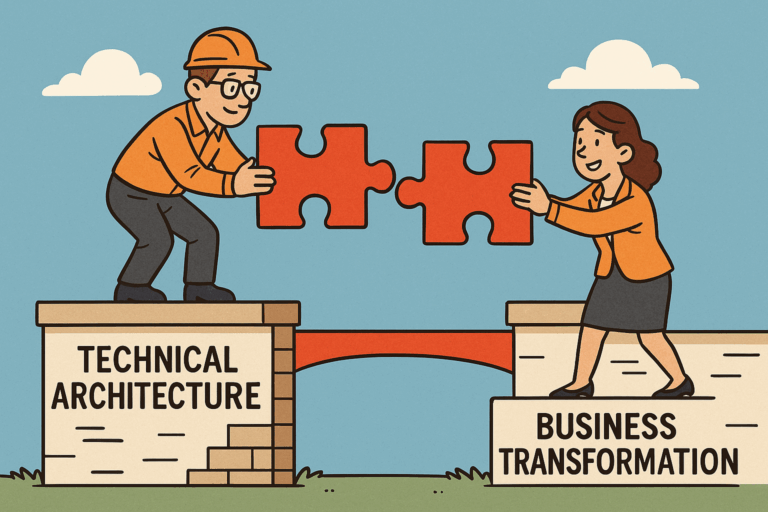
Architecture and transformation should never drift apart.
One defines the destination; the other keeps everyone moving toward it.
Regularly review your conceptual architecture against what’s actually working in practice. If integration timelines improve, note which capabilities drove that change. If something stalls, trace it back — was it a process issue, a skill gap, or a missing tool?
Those feedback loops close the gap between design and execution. Over time, they create a learning system that drives continuous improvement.
Bringing It All Together
ABC Health Now started with a goal: faster mergers and acquisitions. Architecture gave them the technical foundation. Transformation gave them the roadmap for execution. Together, they built momentum.
That’s the lesson for all organizations.
Blueprints give structure. Checklists and playbooks turn structure into motion. Transformation ensures it sticks.
If you’re an IT or business leader reading this, start small. Document one process. Write one checklist. Capture what worked after each project and update your playbook. Do it again next time, and again after that.
That’s how you move from transformation as a one-time event to transformation as a repeatable capability.