
(A follow-up to the “IAM at ABC Health Now – a logical architecture for fast, secure M&A onboarding” post)
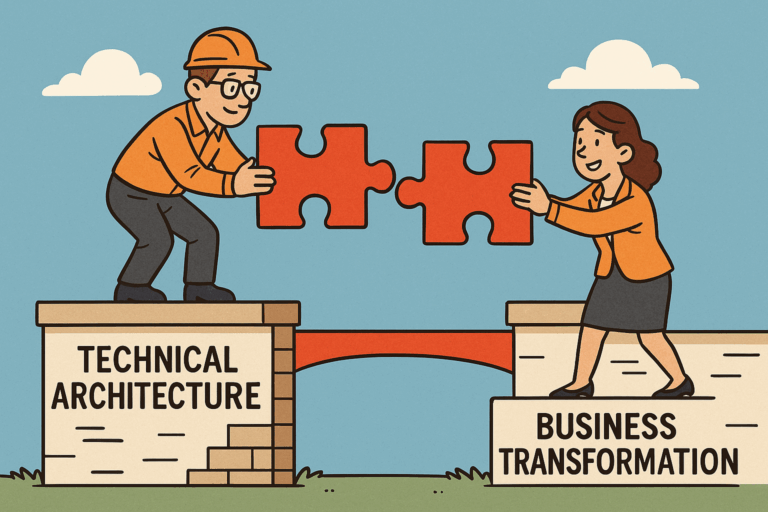
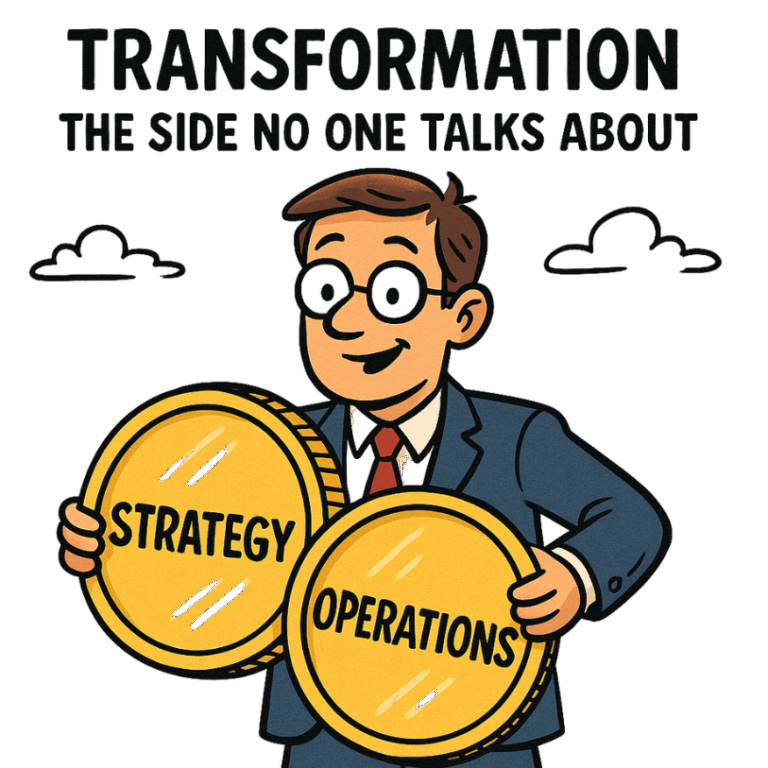
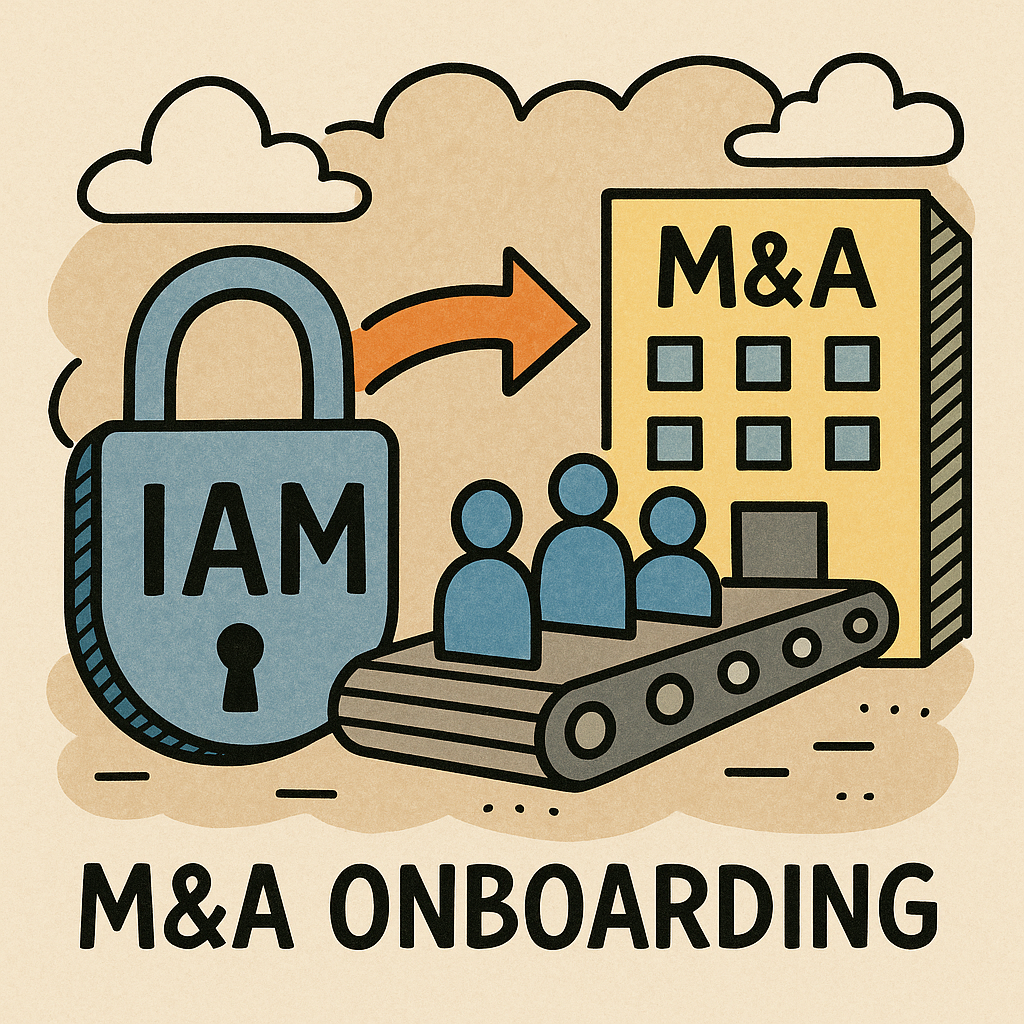
In our previous post we walked through how our fictional organization, ABC Health Now, built a logical architecture to speed up and secure its mergers & acquisitions onboarding: the goal being faster time-to-value, lower friction, and a repeatable pattern for identity and access that supports scale and change. What I want to do in this follow-up is shift focus from “what the architecture looks like” to “what running the architecture means” — how it impacts the everyday operations of IAM (identity & access management), and what a playbook for operational readiness can look like in this use case.
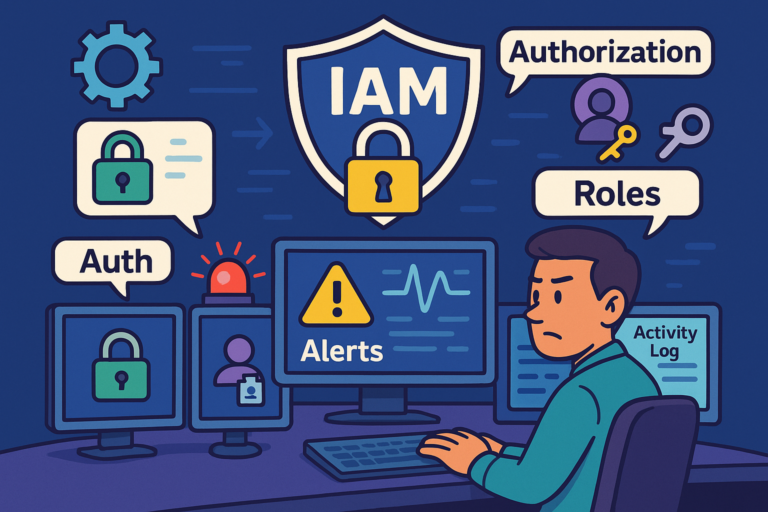
What this means for everyday IAM operations
Let’s break down how the architecture + M&A use-case translate into concrete operational impacts.
Speed of onboarding means a faster cycle for identities
Because the architecture is designed for rapid M&A onboarding, IAM teams must be prepared to onboard new identities, roles, entitlements and systems quickly. That means:
- The team will see a spike in account creation, role assignments, system entitlements when a new entity is folded in.
- This surge challenges standard processes (which may assume “steady” pace rather than spikes).
- The IAM “queue” becomes more dynamic: access requests, approvals, provisioning workflows all accelerate.
Operationally, this means the IAM team needs to ask: are our workflows optimized for volume and speed? Do we have approvals, entitlement grants, provisioning scripts that scale? Are manual tasks minimised? If the architecture enables speed, but the operational process remains slow/fragmented, you will create bottlenecks.
Friction-reduction means fewer checks, but risk remains
One of the goals is to reduce friction — simplifying onboarding, reducing delay, and making access smoother for newly-merged users. That’s great for user experience, but from an operations standpoint it means:
- Less friction often means fewer manual approval steps or streamlined checks.
- IAM risk surface may increase if new accounts or entitlements are onboarded without thorough review.
- The operations team must balance speed + convenience with auditability, compliance and governance.
This impacts IAM operations by forcing changes to how we validate roles/entitlements, how we monitor access, how we handle exceptions or elevated privileges. The architecture may provide the technical plumbing (e.g., identity federation, central role store, just-in-time provisioning) but the operations team still needs clear processes around review, exception handling, and continuous monitoring.
Repeatable architecture means repeatable operations
Because the solution is built to support repeatable M&A events, operations cannot be ad-hoc. They must be structured, documented and rehearsed. Specific impacts:
- IAM runbooks must exist for “onboard acquired entity,” with defined steps, roles/responsibilities, timing, dependencies.
- Operations must integrate into the broader M&A project lifecycle (due-diligence → planning → cut-over → post-integration). IAM can’t operate in its silo.
- Post-go-live monitoring and clean-up (e.g., orphaned accounts, legacy entitlements, role rationalisation) must be built in.
Architecture choice drives new operational roles
For example, if the architecture uses a central role engine, entitlement mapping layer, federation, “source system of record” logic, then operational IAM is impacted in these ways:
- New roles or teams (e.g., Role Owner, Role Steward) may be introduced.
- Identity governance may shift from “just provisioning” to “governance of roles/entitlements” to ongoing monitoring.
- Operational metrics change: speed of provisioning, time from acquisition to fully-provisioned, number of exceptions, violations detected, time to clean orphan entitlements.
Ongoing rationalisation and maintenance become constant
In an environment where acquisitions keep happening and the architecture supports scale, IAM operations will face continuous change: new systems, new user populations, evolving roles. That means:
- Role rationalisation is never a one-time event; it becomes part of the operating rhythm.
- Entitlement clean-up, role-to-business-process alignment, monitoring access risk must become part of operational cadence.
- The “integration” doesn’t end at go-live: ongoing operations must handle new mergers, divestitures, spin-outs.
Operational readiness playbook suggestions
Here are key suggestions for preparing your IAM operations team to execute in this M&A-driven, high-speed architecture world.
A. Process revisions – make them fit for speed & scale
- Update your IAM onboarding process to include a “fast-track M&A mode” with pre-defined templates, roles, entitlements for the typical acquired entity.
- Create checklists for each step: e.g., access provisioning, role assignment, federation setup, audit & logging enablement, decommissioning legacy access.
- Define roles & responsibilities clearly: who owns the cut-over, who owns legacy system access clean-up, who monitors post-go-live.
- Build standard timing expectations: e.g., “Provision all core systems within X hours of cut-over,” “Complete entitlement review within Y days.”
B. Runbooks – operationalizing the architecture
- Build runbooks for each major scenario: new acquisition, divestiture, sunset legacy systems.
- Runbooks should include triggers (e.g., signed acquisition contract), prerequisites (systems inventory, user population size, role mapping), tasks (create identity domain, provision baseline access, federate systems, decommission legacy).
- Include fallback/out-of-normal procedures: what if a system isn’t ready, what if identity data is incomplete, what if an approval chain is missing?
- Simulate or rehearse: schedule “table-top” exercises with IAM team + M&A project team so everyone knows their role in an acquisition.
C. Rationalisation & entitlement hygiene – keep the house in order
- Implement a “pre-cutover cleanup” phase: assess existing roles/entitlements within the acquired company, map to your standard roles, identify duplicate or obsolete access.
- Post-integration, run entitlement reviews (90-day, 180-day) to find orphaned accounts or elevated privileges that are no longer needed.
- Build a governance cadence: role reviews, access reviews, exception tracking, continuous monitoring of unusual access patterns.
- Use metrics: average time from acquisition to “fully provisioned,” number of exceptions processed, number of orphaned accounts found, number of audit findings – track improvements over time.
D. Monitoring, reporting, and feedback loops
- Set up dashboards showing real-time status of onboarding events: how many users provisioned, how many systems connected, how many roles assigned, how many exceptions.
- Include risk/health reports: how many accounts have elevated access, how many requests bypass standard approval, how many users inactive for > X days after onboarding.
- Feedback loop: after each acquisition event, hold a “lessons learned” review focusing on IAM operations: what took too long, what steps failed, what manual intervention was needed; update runbooks accordingly.
E. Change management & communication
- Because acquisitions often bring change, ensure IAM operations communicate clearly to business, IT, acquired company’s staff. Provide onboarding guides, access FAQs, help-desk escalation paths.
- Update IAM team training: new systems, new roles, new process for M&A. Make sure the team is comfortable with the architecture’s tools (e.g., federated identity, centralized role engine, provisioning workflows).
- Align with broader M&A project-management teams: ensure IAM is represented in the planning, cut-over, and post-integration phases — don’t let IAM be “reactive.”
Why this matters
If you build the architecture but ignore operations, you’ll find yourself with a system that looks great on paper but slows down the business in practice. Fast, secure M&A onboarding isn’t just a project—it’s an operating model. IAM operations become a critical business enabler: enabling business agility (by hooking new entities quickly) while protecting the enterprise (by ensuring only the right people get access, maintaining audit and governance).
By focusing on operational readiness — with the process, runbooks, rationalisation, monitoring and communication in place — you help make the architecture a true enabler rather than a theoretical blueprint.
Final thought
If your organization is planning to scale acquisition-oriented growth, or frequently integrate or separate entities, think of IAM not as a one-off rollout but as an ongoing engine. Make your operations ready now: build the playbook, train the team, streamline the process, and monitor relentlessly. The architecture gives you the runway; the readiness gives you lift-off.