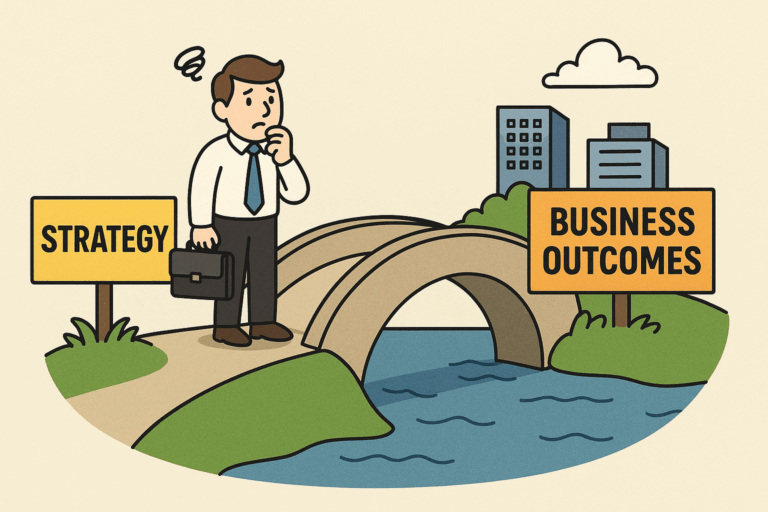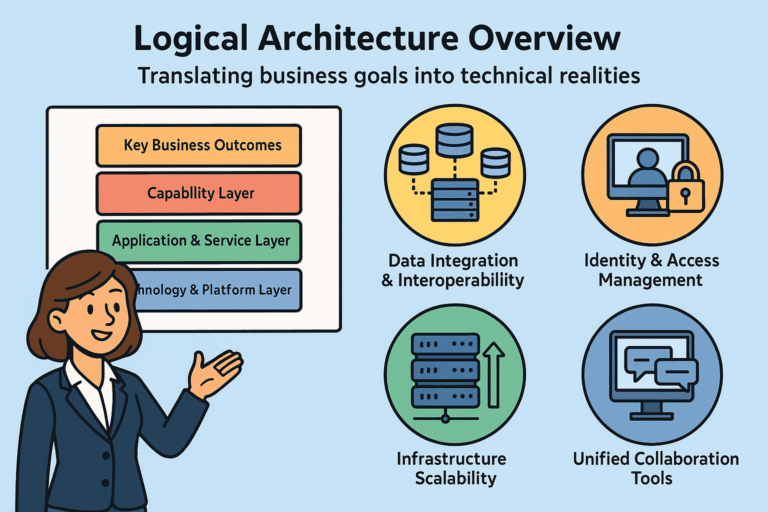

In our last post, The Logical Architecture of our ABC Health Now Use Case, we looked at how IT translates business goals into something real and actionable. We showed how a logical architecture connects strategy to technology and how key capabilities like data integration, identity management, and collaboration tools come together to support business outcomes.
Now, we’re ready to take the next step: what does this actually mean for the business once it’s in motion?
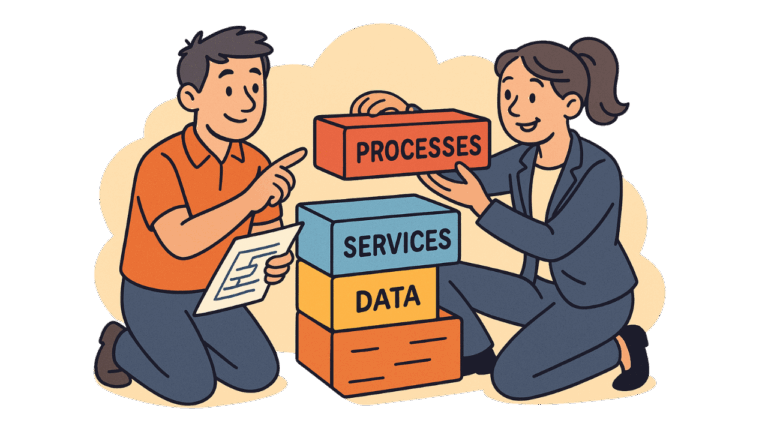
When you design a logical architecture, you’re not just making a technical diagram. You’re creating a framework for how people work, how systems connect, and how operations evolve. It’s the blueprint that quietly shapes how the business runs every day.
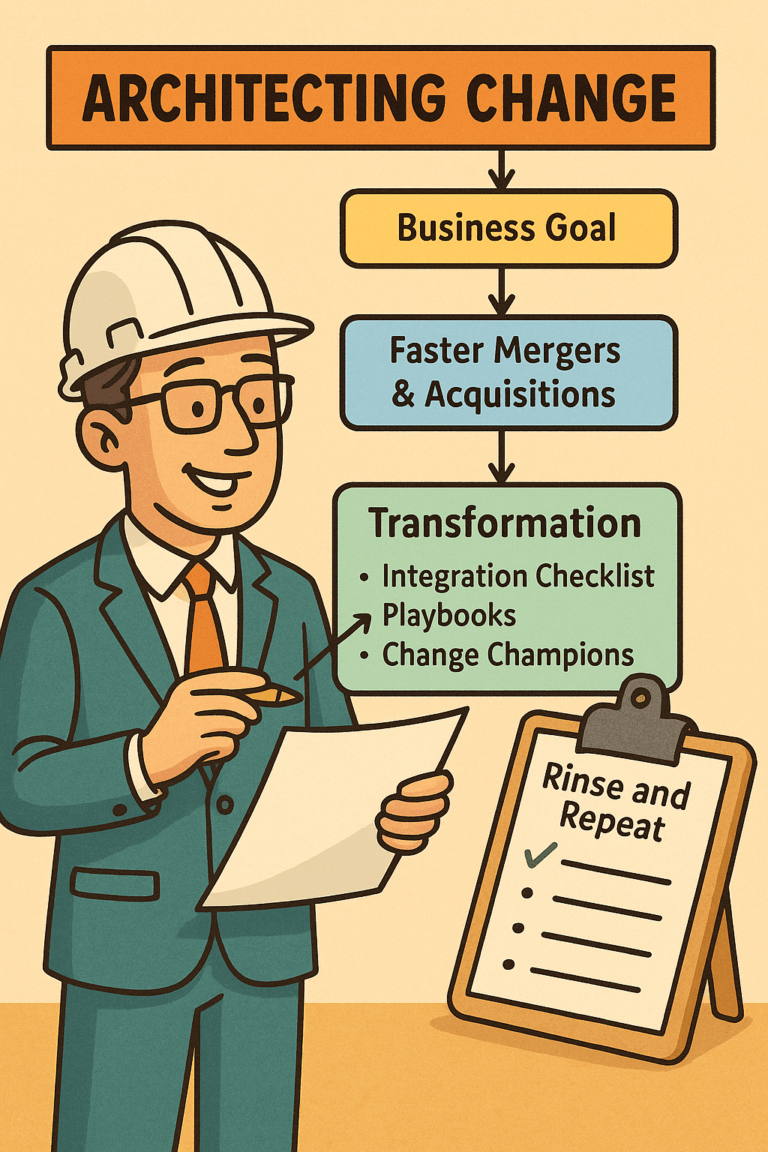
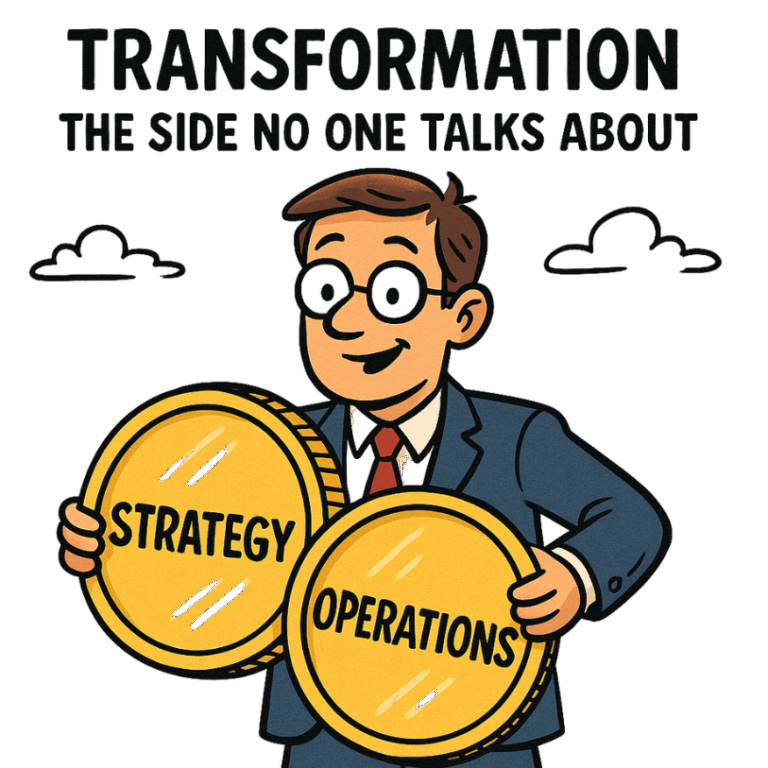
This is where operational impact and transformation come in. The architecture defines what’s possible, but the way teams adopt, support, and monitor those systems determines how much value the organization really gets from them.
Over the next few posts, Jeff and I will explore that ripple effect. We’ll break down how the logical architecture at ABC Health Now starts influencing operations and driving transformation in three important areas:
- Identity and Access Management (IAM) – how unified identity speeds up onboarding, improves security, and enables smoother collaboration.
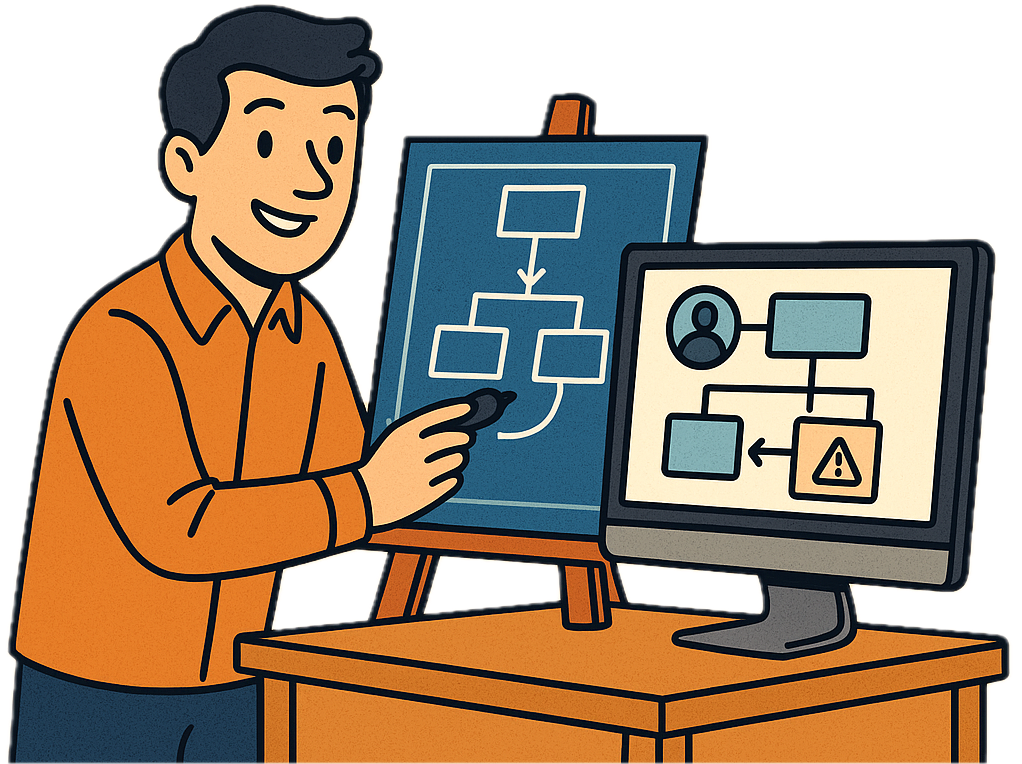
- The Support Model – how rethinking roles, workflows, and responsibilities helps teams run new systems effectively.
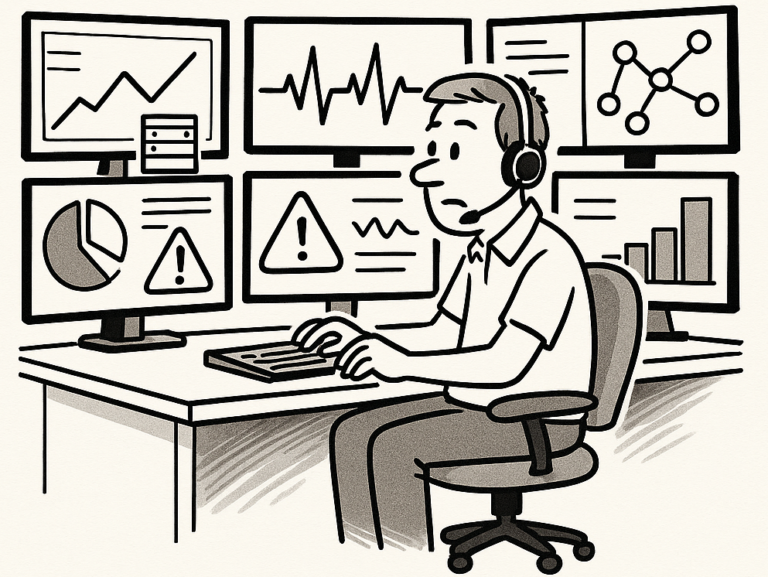
- Alerts and Monitoring – how proactive visibility helps organizations move from reacting to issues to preventing them.
Each of these topics builds on the architecture we’ve already discussed. We’ll connect the dots between design decisions, business impact, and the human side of adoption. Jeff will take the lead on the technical design side, and I’ll follow with the transformation and change management perspective.
Think of this series as moving from the plan to the practice. We’ll show how a solid logical architecture doesn’t just sit on paper—it becomes the foundation for better collaboration, stronger operations, and lasting transformation.
Next week, Jeff will kick us off with Identity and Access Management, and I’ll follow with how the right adoption approach turns IAM into a driver of trust, efficiency, and growth.