

If you’ve worked in technology long enough, you’ve probably said it or heard it said quietly during a long week.
“It all pays the same.”
The phrase often emerges halfway through a project that feels fundamentally flawed. The scope is unclear, the timeline is unrealistic, and the stakeholders keep shifting. Despite numerous planning sessions, no one can clearly define what success entails.
However, the expectations remain unchanged. Deliver results, maintain momentum, and stay positive.
So, we exhale, shrug our shoulders, and repeat the mantra.
“It all pays the same.”
At first glance, it may sound cynical or even disengaged. But for many consultants and IT professionals, it transforms into something entirely different. It becomes a form of emotional self-defense.
Imagine being hired to renovate a house where the owners are uncertain about their preferences. They hand you blueprints that omit entire rooms. Midway through construction, someone decides to relocate the kitchen upstairs, while another person desires an open concept. A third person expresses frustration with the slow progress, even though the electrician has quit and the plumber is spread across multiple other jobs. Every day, you’re asked for an explanation, and every day, the answer is intricate.
This is what many technology projects feel like.
It’s not because people are malicious or incompetent, but because organizations are complex. Priorities clash, incentives conflict, leadership changes, and communication deteriorates. The chaos is not an anomaly; it’s the inherent environment.
Early in my career, I took that chaos personally. If a project stalled, I worked harder. If decisions were delayed, I pushed harder. If priorities shifted weekly, I tried to accommodate all of them. I believed that effort alone could compensate for dysfunction. However, instead of exhausting myself fighting things I could not control, like corporate culture, resource constraints, organizational politics, or poorly defined ownership, I found myself swinging at problems that were never mine to solve. After enough projects like that, I reached a fork in the road. I either became jaded or I adapted.
Without realizing it at first, I began practicing something very close to stoicism. I stopped asking how to fix everything and started asking a different question.
What is actually mine to carry?
Some aspects were clearly within my control, such as my level of preparation, my communication skills, my ability to follow through, and my consistent and professional presence.
Others fell under the realm of influence, including assisting teams in understanding trade-offs, clarifying risks, and translating technical realities into language that leadership could comprehend.
However, there were certain things, regardless of my desire to change them, that were simply beyond my reach. I’m referring to organizational dysfunction, competing incentives, ineffective leadership, and budget decisions made in secrecy.
Once I separated these categories, my work became more manageable. It wasn’t necessarily easier, but it was more organized and focused.
I also discovered that perfection is rarely attainable, especially on projects that are already flawed. However, usefulness is almost always the best approach. Sometimes, being useful means documenting information that no one else has. Sometimes, it means distilling chaos into a clear narrative. Sometimes, it means calmly explaining the consequences of indecision without resorting to emotion or blame. On many engagements, the most valuable thing you can provide is not technology at all. It is clarity. Clarity creates momentum. Momentum builds trust. Trust allows progress, even in imperfect conditions.
This is where the phrase “it all pays the same” begins to change meaning. It is not an excuse to care less. It is permission to care correctly.
You can channel your emotional energy into dysfunction and gradually develop resentment towards the career you once cherished. Alternatively, you can confront a challenging reality: some projects are flawed even before you join. Your responsibility isn’t to single-handedly save the organization. Instead, it’s to guide it as effectively as possible using the tools, authority, and influence you possess. This distinction preserves idealism rather than eroding it. What ultimately grounded me was cultivating a bias towards action. Not heroics or burnout-driven overwork, but consistent and productive progress. When things were unclear, I documented my observations. When priorities conflicted, I brought the conflict to the surface. When decisions stalled, I outlined potential paths forward. When leadership hesitated, I made tradeoffs transparent. I realized that I couldn’t control outcomes, but I could always contribute value to the process. Ironically, this often leads to increased trust. If you’re currently on a project that feels insurmountable, you’re not failing. If you’re tired of repeatedly renegotiating the scope, you’re not weak. If you feel exhausted by inefficiencies that you can’t rectify, you’re not alone. This is the essence of the work.
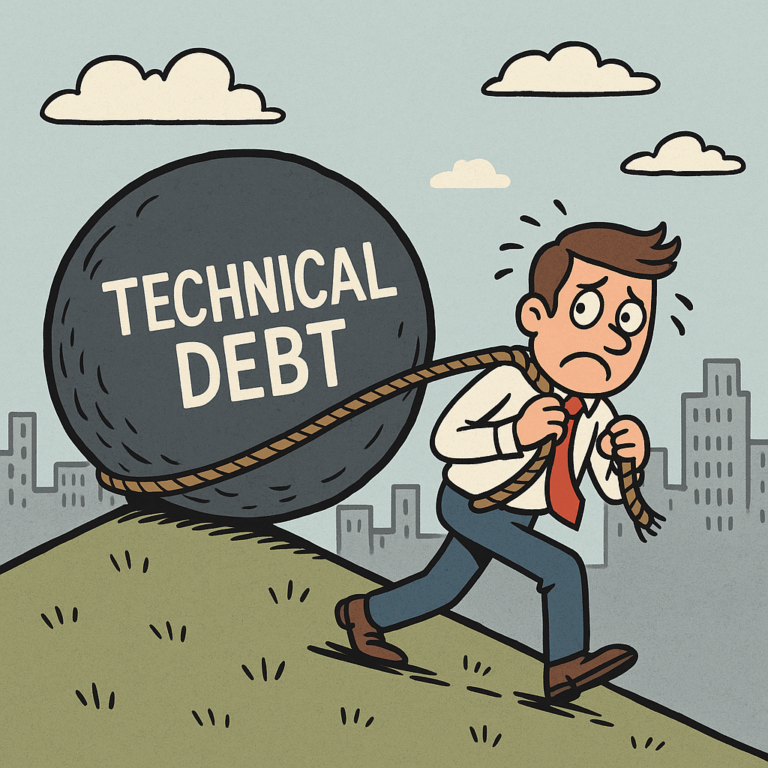
The objective is not to harden yourself or lose your optimism. Instead, the goal is to safeguard it. Be deliberate about what you possess. Thoughtful about what you influence. Disciplined about letting go of the rest. Remember, you are not compensated to bear the entire organization on your shoulders. Your compensation is to be useful.
And on some days, that is more than sufficient.